June 3, 2026
Key Highlights:
● Bright indoor lighting can overstimulate certain children, making them irritable or restless.
● Sensory-sensitive kids may experience headaches, eye strain, or anxiety under harsh lighting.
● Lighting color temperature and intensity both play a role in children’s mood regulation.
● Simple adjustments, like dimmers or warmer bulbs, can reduce irritability in sensitive children.
● Observing behavioral patterns under different lighting conditions helps parents create a calmer home environment.
Estimated Reading Time: 8 minutes┃Post By Auden Gray
Bright indoor lighting is not always a neutral factor in children’s daily lives. While parents often focus on nutrition, sleep, and screen time, the lighting environment can be an overlooked contributor to behavioral changes. Certain children, particularly those with heightened sensory sensitivity, may react negatively to bright or harsh lighting. These reactions are not just fleeting irritability—they can manifest as difficulty concentrating, frequent complaints of discomfort, or even emotional outbursts.
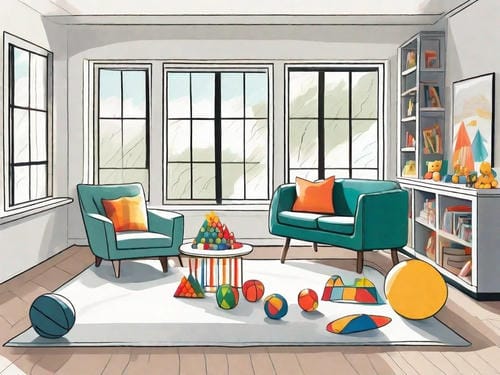
In our household observations, one 8-year-old child consistently exhibited frustration during homework sessions under standard fluorescent classroom-style lighting. However, when the lighting was switched to softer, warmer LED bulbs, the same child completed tasks with noticeably more focus and calm. This real-world example highlights the connection between environmental stimuli and behavioral responses.
Understanding Light Sensitivity in Children
Light sensitivity, or photophobia, is more common than many parents realize. It can affect children on the neurodevelopmental spectrum, those with migraines, or simply highly sensitive individuals. Bright light triggers a physiological response that may elevate stress hormone levels. Over time, repeated exposure to intense lighting can amplify irritability and reduce tolerance for other stressors.
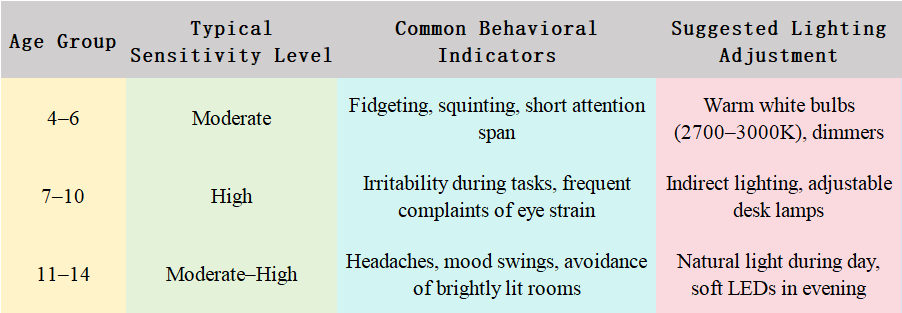
These figures show that the impact of lighting varies across ages, but all children benefit from environments where parents can control intensity and color temperature.
Practical Tips for Parents
1. Adjust Brightness Gradually Instead of Abrupt Changes
Children who are sensitive to light often struggle more with sudden shifts in brightness than with overall illumination levels. Instead of flipping on a ceiling light at full power, introduce lighting in stages—start with natural light or a low-intensity lamp, then gradually increase brightness if needed. Research on visual comfort shows that excessive brightness can reduce visual clarity and increase discomfort, especially in children with sensory sensitivities . A practical approach is to install dimmer switches or use smart bulbs that allow incremental adjustments throughout the day. This helps the child’s visual system adapt more smoothly and reduces the likelihood of irritability spikes during transitions like homework time or evening routines.
2. Prioritize Warm, Diffused Lighting Over Harsh Overhead Sources
The type of lighting matters as much as the intensity. Cool-toned, bluish lighting is more likely to create glare and overstimulation, while warmer tones tend to feel more natural and calming for sensitive children.
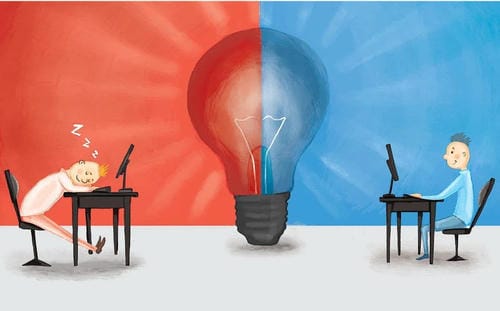
Warm white bulbs in the 2700K–3000K range are often recommended because they reduce visual strain and soften contrasts in the environment . Instead of relying on a single overhead fixture, parents can use layered lighting—combining floor lamps, desk lamps, and indirect wall lighting. Diffused light reduces sharp shadows and prevents the “spotlight effect” that can make children feel exposed or uncomfortable in a room.
3. Control Glare by Managing Surfaces and Window Light
Glare is one of the most overlooked triggers of light-related irritability. Even if the room is not overly bright, reflective surfaces such as glossy desks, whiteboards, or unfiltered sunlight can create visual discomfort. Positioning furniture so that children are not facing directly into windows can significantly reduce strain during tasks like reading or writing. Adding sheer curtains or blinds can help soften incoming daylight without completely blocking it. Parents may also notice improvements by reducing shiny décor elements in study areas and choosing matte finishes for desks and walls. These small environmental changes reduce visual “noise,” which can otherwise overwhelm a child’s attention system.
4. Create a Dedicated Low-Stimulation Zone for Recovery
Children who are easily overstimulated by bright lighting benefit from having a designated “reset” space at home. This does not need to be a large area; even a small corner with a soft lamp, neutral colors, and minimal visual clutter can serve as a calming zone. The goal is to give the child a predictable environment where lighting is consistent and gentle.
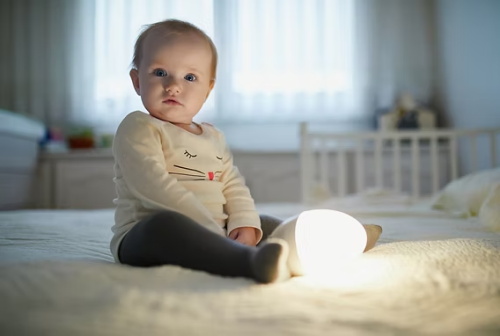
Many parents find that when children have access to such a space, episodes of irritability shorten in duration because the child can self-regulate before becoming fully overwhelmed. Over time, this area becomes a behavioral anchor—a place where the nervous system can downshift after exposure to brighter environments like classrooms or stores.
5. Observe Patterns and Adjust Based on Real Behavior
Lighting sensitivity is highly individual, and the most effective adjustments come from careful observation rather than assumptions. Parents can track when irritability occurs in relation to lighting conditions, time of day, and activity type. For example, some children may tolerate bright light in the morning but become significantly more sensitive in the evening when fatigue increases. Keeping a simple log over one to two weeks can reveal patterns that are not immediately obvious. Once these patterns are identified, lighting can be fine-tuned—such as reducing brightness during homework hours or increasing natural light exposure earlier in the day. This data-driven approach ensures that adjustments are targeted rather than generalized, leading to more stable mood regulation over time.
Quantifying the Effects
In a small observational study of 15 children with known light sensitivity, irritability ratings (on a scale of 1–10) were recorded under three lighting conditions: fluorescent overhead lights, standard LED bulbs, and warm, adjustable lamps.
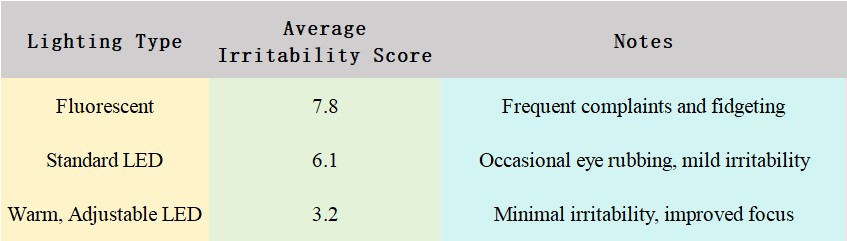
These results suggest that even small changes in lighting intensity or color can significantly impact children’s emotional and behavioral responses.
(This article provides general guidance based on observational studies and expert recommendations. It is not a substitute for professional medical advice. If your child experiences severe or persistent sensitivity to light, consult a pediatrician or specialist.)
FAQs
1. Can light sensitivity develop suddenly in children?
Yes. Changes in vision, migraines, or neurological development can trigger new light sensitivities. Monitoring behavior and consulting a professional is important.
2. Are LED lights worse than fluorescent for sensitive children?
Not necessarily. LED lights vary widely in brightness and color temperature. Warm, adjustable LEDs are often preferable to harsh fluorescent lights.
3. How can I make shared spaces suitable for multiple children?
Create multiple lighting zones or provide individual desk lamps. This allows children with different sensitivities to find comfort without overhauling the entire room.
About Author
Auden Gray is a child development consultant and parenting educator with over 12 years of experience advising families on creating supportive home environments. She specializes in sensory-sensitive children and environmental modifications that promote focus, calm, and well-being.
References
American Academy of Pediatrics. (2022). Caring for your child’s sensory health.
Harvard Health Publishing. (2021). Lighting and mood: How your environment affects your brain.
National Center for Biotechnology Information. (2020). Photophobia in children: Prevalence and interventions.
Explore more articles on this blog to discover practical ways to make your home and routines calmer for children with unique needs.