
June 4, 2026
Key Points:
● Five-minute one-on-one interactions can significantly strengthen parent-child bonds.
● Short, focused moments can improve a child’s emotional regulation and communication skills.
● Quality trumps quantity: even brief daily interactions matter more than occasional long sessions.
● Practical implementation requires minimal planning but consistent attention.
● Everyday routines, like snack time or bedtime, are ideal opportunities for these short connections.

Estimated Reading Time: 12 minutes┃Post By Harper Lane
Parenting is often portrayed as a series of marathon efforts: hours spent on homework help, soccer practices, or elaborate weekend outings. However, research and real-world experience show that some of the most profound impacts come from remarkably short, intentional moments. Just five minutes of focused, one-on-one attention with your child each day can transform their emotional, social, and cognitive development.
Why Five Minutes Matters
Children do not necessarily need constant attention. What they need is confidence that they matter to the important adults in their lives.
Consider two common family situations.
In the first household, a parent spends most of the evening physically present but frequently switches attention between a smartphone, television, household tasks, and conversations with the child. The child receives fragmented responses and limited eye contact.

In the second household, a parent spends only five uninterrupted minutes sitting with the child after dinner. The phone is put away. The television is off. The parent listens carefully and responds thoughtfully.
Although the second interaction is much shorter, it often creates a stronger sense of connection.
Research and child-development experts consistently note that focused attention helps children feel valued, secure, and understood. Even brief periods of intentional interaction can improve emotional well-being and cooperation.
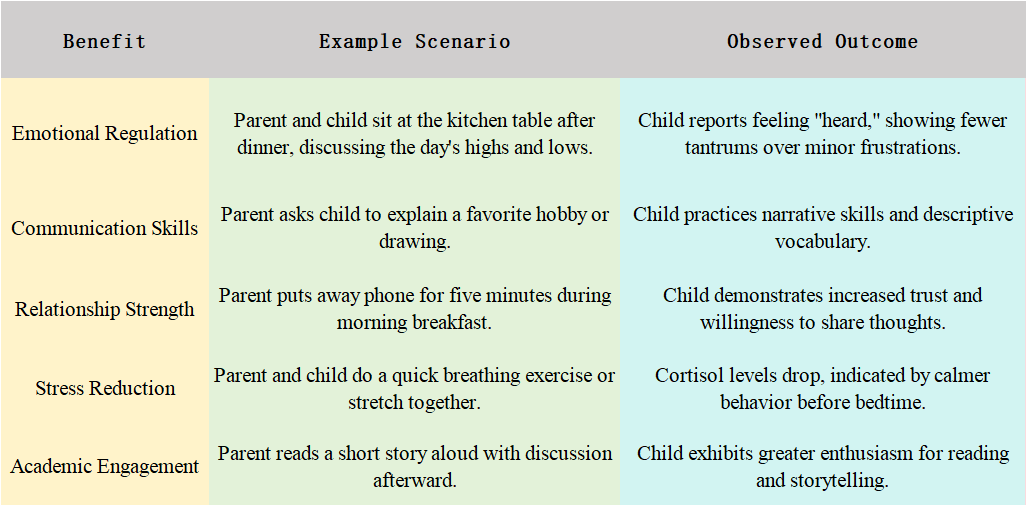
Making It Practical
One reason many parents overlook these moments is because they imagine quality time must be scheduled separately from daily responsibilities. In reality, some of the best opportunities already exist within routines that happen every day.
For example, a parent driving a child to school can spend five minutes discussing what the child is looking forward to that day. Another parent may use a short bedtime conversation to ask about a challenge the child faced and how they handled it.
The goal is not to create another task on an already crowded schedule. The goal is to transform existing moments into opportunities for connection. Here are several practical approaches:
Morning Check-In
Instead of rushing through breakfast, spend five minutes asking questions about the upcoming day.
Questions might include:
● What are you most excited about today?
● Is there anything making you nervous?
● What do you hope happens at school?
This brief conversation helps children begin the day feeling supported.

Snack-Time Conversations
Many children naturally open up when they are eating. A five-minute conversation during an afternoon snack often feels less intimidating than a formal discussion.
Bedtime Reflection
Bedtime remains one of the most powerful connection opportunities. Parents can ask:
● What was the best part of your day?
● What was the hardest part?
● What made you laugh today?
These simple questions encourage emotional awareness while strengthening communication.
Walk and Talk
A short walk around the block removes many distractions and creates a relaxed environment for conversation.
Child-Led Play
Experts frequently recommend allowing children to lead brief play sessions. When parents follow the child's interests rather than directing the activity, children often become more engaged and cooperative.

Real-World Impact
Consider a parent, Emma, juggling two children under eight while managing full-time work. She started five-minute nightly chats with each child individually. Within three weeks, she noticed her seven-year-old voluntarily sharing feelings about school, while her five-year-old became more willing to participate in household tasks without prompting. Teachers reported fewer classroom outbursts. Emma’s experience mirrors research in developmental psychology: short, consistent, focused interactions strengthen executive functioning and emotional stability in children.
Common Misconceptions
One common misconception is that children need constant parental engagement. In reality, experts and experienced parents alike recognize that children benefit from independent play and self-directed activities. The objective is not continuous attention. The objective is meaningful attention when connection occurs. Another misconception is that parents must create elaborate activities.
Children often value simple interactions more than complicated ones. A conversation during a car ride, a short game, or a bedtime discussion may provide more emotional value than an expensive outing. A third misconception is that five minutes cannot possibly matter.
Many parents underestimate how powerfully children respond to consistency. Small interactions repeated daily can accumulate into hundreds of meaningful connection points each year.
Five minutes per day equals:
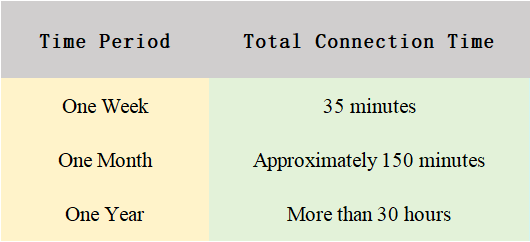
Viewed this way, a daily five-minute habit becomes a substantial investment in a child's development.
Measuring Success
Parents often wonder whether these efforts are working. Fortunately, success is usually visible through everyday changes rather than formal measurements. Signs of improvement may include:
● Children initiating conversations more frequently.
● Fewer attention-seeking behaviors.
● Greater willingness to cooperate during routines.
● Increased emotional vocabulary.
● More openness about school, friendships, and personal concerns.
Many parents also notice improvements in their own stress levels. Instead of feeling disconnected or reactive, they gain a deeper understanding of what their children are experiencing.
The most meaningful outcome is often trust. When children know they will regularly receive focused attention, they become less concerned about competing for it.
(This article is intended for informational purposes only and does not substitute professional advice. Parents should consider their child’s unique needs and consult professionals when necessary.)
FQAs
1. What if my child resists the five-minute sessions?
Start with shared activities the child enjoys. Gradually, curiosity and attention will grow when the child associates these moments with positive experiences.
2. Can I do this with multiple children at once?
Individual attention is crucial. Even short, separate sessions are more effective than a group conversation.
3. What if I can’t find the same five minutes every day?
Consistency is more important than strict scheduling. Try to ensure at least 20–25 minutes spread across the week for each child.
About Author
Harper Lane is a child development consultant and parenting educator with over a decade of experience guiding families in practical strategies for emotional and cognitive growth. Harper specializes in helping busy parents integrate meaningful routines into daily life.
Investing just five minutes each day in your child can produce lifelong benefits—explore more practical parenting strategies here on our blog.