May 27, 2026
In this Article:
● Children often copy rude or disruptive behavior from peers without fully understanding it.
● Peer influence is strongest in emotionally charged social situations like school and playdates.
● Parents can redirect influence by teaching “behavior awareness” and offering structured practice with social scripts.
● Consistent monitoring of friendship dynamics helps prevent repeated reinforcement of rude behaviors.
Estimated Reading Time: 11 minutes┃Post By Dr. Elise Hartwell
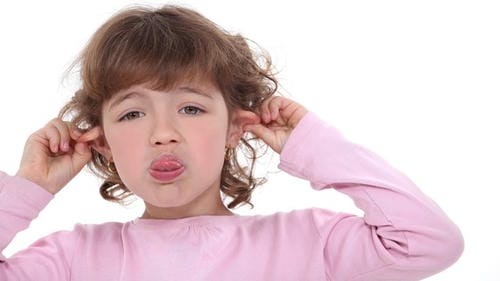
A teacher sends a message late in the afternoon saying your child interrupted classmates several times, spoke sarcastically during group work, and repeated phrases another student commonly uses. At first, the behavior feels unfamiliar. The words sound different from the way your child normally talks at home. Later that evening during dinner, your child suddenly rolls their eyes and says, “Whatever,” in a tone you have never heard before.
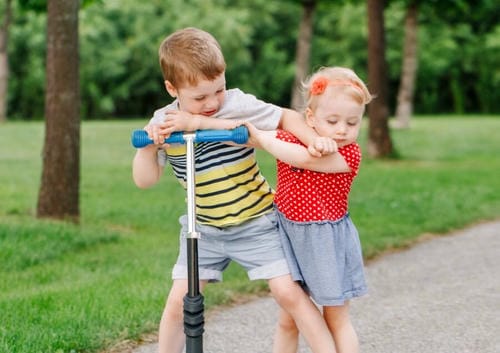
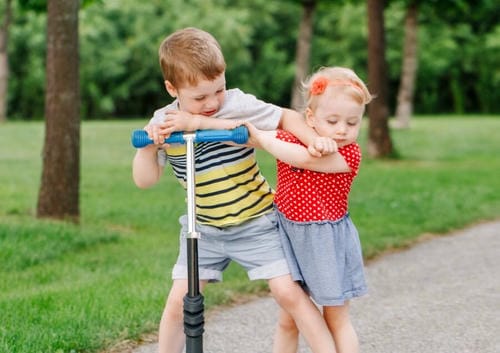
Many parents immediately wonder whether something serious is happening at home, but in most cases, this kind of change begins socially rather than emotionally. Children often absorb behaviors from classmates and friends because they are trying to fit into a group, avoid standing out, or gain approval from peers. The copying is not always intentional. Sometimes children repeat behaviors before they even realize they are doing it.
Behavior imitation is extremely common during elementary school and early adolescence because children are still developing their sense of identity. During this stage, they experiment with speech patterns, reactions, humor, and emotional responses they observe in other children. According to research on peer influence and social learning, children are especially likely to repeat behaviors that attract attention or create laughter in group settings.
What Is Actually Happening (Before Reacting)
Children usually do not copy rude behavior because they suddenly become disrespectful. More often, they copy behavior because it appears socially effective in the moment. Loud jokes, sarcastic comments, and dismissive reactions can quickly attract attention from peers. For a child who wants connection or approval, that attention can feel rewarding.
In many school environments, children notice that certain classmates gain social status by being dramatic, disruptive, or sarcastic. Even if adults dislike the behavior, peers may laugh or react positively. Children naturally begin experimenting with those same behaviors to test whether they receive the same reaction.
Realistic classroom scenario

The important thing for parents to understand is that the behavior is often connected to social reinforcement rather than intentional defiance. Research on peer contagion explains that children can unconsciously adopt behaviors that appear socially rewarding within a peer group.
How to Correct The Behavior?
1. Map the Behavior: Where, When, and With Whom It Appears
Before trying to correct the behavior constantly, parents benefit from observing patterns carefully for several days. This prevents overreacting and helps identify whether the behavior is situational or becoming habitual.
Many parents are surprised to discover that copied rude behavior only appears in highly social settings. For example, the child may behave normally during one-on-one conversations with adults but become disruptive when surrounded by energetic peers.
Example tracking sheet

Tracking patterns allows parents to notice whether the behavior is tied to excitement, peer approval, boredom, or overstimulation. It also helps parents avoid exaggerating the situation emotionally.
2. Shift From Punishment to “Behavior Labeling Training”
Many children genuinely do not recognize when they are imitating someone else’s tone or attitude. Adults often assume children are being intentionally disrespectful when, in reality, they are experimenting socially without much awareness.
This is why punishment alone rarely works. If children only hear, “Stop being rude,” they may not understand what specifically needs to change.
Instead, parents can help children build awareness through calm behavior labeling:
● “That sounded like copied playground language.”
● “That voice sounds different from your normal voice.”
● “Pause for a second. Was that your own response or something you heard today?”
These statements encourage self-awareness instead of immediate shame. Over time, children begin noticing the difference between automatic imitation and intentional communication.
3. Use “Replay Coaching” After Incidents (Not Lecturing)
Long lectures after rude behavior are usually ineffective because children often stop listening once they feel embarrassed or defensive. A shorter and more practical approach works better.
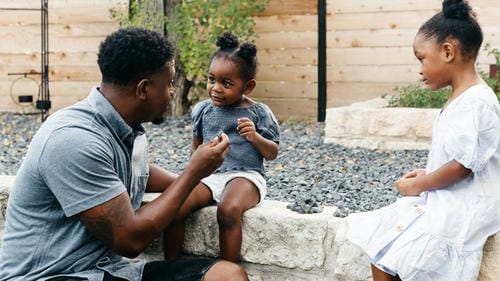
Replay coaching involves calmly revisiting the situation and practicing a better response.
Example script-based intervention
A child speaks rudely during dinner. Instead of beginning a long argument, the parent waits until emotions settle and says:
● “Let’s replay that moment.”
● “Can you show me exactly what you said?”
● “Now try saying the same thing respectfully.”
The child then practices a calmer version of the interaction.
This technique helps because it turns correction into rehearsal rather than punishment. Children learn behavioral alternatives through repetition and practice, much like learning sports skills or classroom routines.
4. Teach “Choice Points” in Peer Settings
Children often describe copied behavior as something that “just happened.” In busy social settings, they may react automatically without pausing to think.
Parents can help by teaching children to recognize “choice points,” which are moments where they can decide whether to copy a group behavior or respond independently.
Over time, this strengthens emotional regulation and independent decision-making. Research on peer pressure consistently shows that children with stronger self-awareness and self-regulation skills are less likely to imitate negative group behaviors automatically.
5. Do Not Isolate the Friend—Rebalance the Social System Instead
Many parents immediately consider banning the friendship completely. While this may occasionally be necessary in severe situations, abrupt social restrictions often intensify the child’s attachment to the peer.
A more balanced strategy is expanding the child’s social environment rather than focusing entirely on one friendship. Parents can:
● Encourage participation in structured activities
● Arrange calmer playdates with emotionally balanced peers
● Increase adult-supervised social interactions
● Reduce exposure to chaotic, unsupervised group settings
This creates more opportunities for positive peer modeling instead of relying solely on restriction. Parenting experts frequently emphasize that parents influence friendships not only through rules, but also through supervision, structure, and social opportunities.

Avoid the Most Common Parent Mistake: Immediate Labeling
One of the fastest ways to create resistance is immediately blaming the friend involved. Parents often react emotionally by saying things such as:
● “That child is a bad influence.”
● “You’re acting just like your friend.”
● “I don’t want you spending time with them anymore.”
Although understandable, this approach often increases defensiveness. Children may feel that their friendships are being attacked, which can make them protect those relationships more strongly. Instead of becoming more open with parents, they may start hiding details about social interactions.
Psychologists have repeatedly observed that criticizing a child’s friends too aggressively can unintentionally strengthen the child’s loyalty toward those peers.
A more effective response focuses on behavior rather than identity. Instead of saying, “Your friend is rude,” parents can say:
● “That tone sounded unkind.”
● “That response didn’t show respect.”
● “I noticed you copied that phrase from school.”
This keeps the discussion centered on choices and actions rather than social rejection.
(This article is intended for informational purposes only and should not replace professional medical, psychological, or educational advice. If a child’s behavioral changes become severe, persistent, or interfere significantly with school or family life, parents should consider consulting a licensed child psychologist, counselor, or pediatric specialist.)
FQAs
1. Is it normal for children to copy rude behavior from classmates?
Yes. Most children experiment with behaviors they observe socially, especially during elementary school and adolescence. Copying does not automatically mean the child has become disrespectful permanently.
2. Should parents completely stop the friendship?
Not necessarily. In many cases, improving supervision, increasing positive peer exposure, and teaching independent decision-making works better than abruptly ending the friendship.
3. How long does this phase usually last?
For many children, imitation behaviors decrease gradually as emotional maturity and self-identity strengthen. Consistent parental guidance often shortens the duration significantly.
About Author
Dr. Elise Hartwell is a fictional developmental psychology researcher and former school counselor specializing in peer influence, child emotional regulation, and social behavior development in school-age children. Her work focuses on helping families navigate real-world behavioral challenges connected to friendship dynamics, classroom environments, and emotional resilience.
References
American Academy of Family Physicians. (2018). General parenting strategies: Practical suggestions for common child behavior issues.
Dishion, T. J., & Tipsord, J. M. (2011). Peer contagion in child and adolescent social and emotional development. Annual Review of Psychology, 62, 189–214.
Psychology Today. (2021). How parents influence children’s peer relationships.