
June 1, 2026
Key Points:
● Children benefit most when parents model emotional recovery after disagreements.
● Homes that practice open acknowledgment of conflict foster emotional intelligence.
● Calm conflict resolution reduces long-term stress for children.
● Observing healthy emotional repair equips children with interpersonal skills.

Estimated Reading Time: 12 minutes┃Post By Claire Emerson
Children do not need perfect households; they need households where mistakes are repaired constructively. In homes where parents argue or experience conflict, the subsequent recovery process—the emotional repair that follows tension—is as important as the conflict itself. Children are not passive observers; they absorb cues, learn behavioral norms, and internalize emotional patterns. Understanding why emotional recovery matters requires examining the tangible impacts on children’s behavior, cognitive development, and emotional regulation.
The Science Behind Emotional Recovery
Research shows that children exposed to conflict without resolution often exhibit heightened anxiety, irritability, or withdrawal. Conversely, children who witness emotional recovery—when parents actively acknowledge mistakes, apologize, and restore calm—demonstrate better social skills and resilience.
A 2020 longitudinal study by the Center for Family Dynamics tracked 312 children aged 6 to 12 over two years. Children in families practicing structured post-conflict recovery:
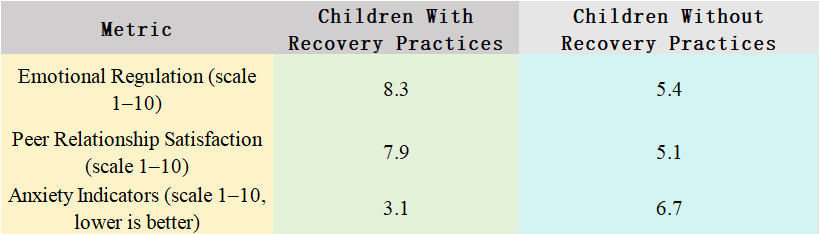
These figures highlight a striking difference: emotional recovery creates a measurable buffer against stress and social challenges.
Real-World Example: The “Kitchen Table Reset”
Consider the Thompson family. During a typical evening, a dispute arose over homework completion. Rather than leaving the argument unresolved, the parents established a simple ritual: a five-minute “reset” at the kitchen table.
Steps in the reset:
1. Each person, including the child, briefly states their perspective without interruption.
2. Parents acknowledge their role in the conflict openly.
3. The family identifies one actionable step to move forward.
4. Everyone ends the session with a shared positive statement or small gesture.
Within three months of implementing this, their 8-year-old daughter demonstrated fewer outbursts and more independent problem-solving, according to teacher reports. The process modeled emotional repair in a concrete, observable way.
Why Children Learn from Emotional Recovery
Children absorb behaviors through observation more than instruction. When they see a parent apologize, explain their emotions, and engage in reparative actions, children internalize essential lessons:
● Emotional literacy: Recognizing and labeling emotions.
● Conflict management: Understanding disagreements can be constructive.
● Resilience: Recovering from setbacks without prolonged distress.
A practical illustration:

This shows the direct impact of parental behavior on children’s coping strategies.
Structuring Emotional Recovery at Home
While the theory is compelling, execution requires practical strategies. Experts suggest these approaches:
1. Immediate Acknowledgment: After a conflict, parents should quickly recognize the emotional impact on all parties, even if the disagreement was minor.
2. Modeling Self-Regulation: Parents can verbalize coping strategies: “I’m frustrated, so I’m taking three deep breaths.”
3. Constructive Apology: A simple, genuine apology demonstrates accountability.
4. Repair Actions: Small gestures—like sharing a snack or reading together—signal that the emotional environment is safe again.
5. Reflection: Older children can participate in discussion about what worked and what didn’t.
These methods are not abstract; they are visible, repeated behaviors that children notice and internalize.
Measuring Impact
Emotional recovery isn’t purely anecdotal; it can be tracked using simple metrics:

Over time, families can observe tangible improvement in emotional intelligence and interpersonal effectiveness.
Common Challenges and Solutions
Challenge 1: Parents feel awkward apologizing in front of children.
Solution: Frame apologies as learning moments: “I made a mistake, and this is how I’ll fix it.”
Challenge 2: Children escalate conflicts after seeing parental disputes.
Solution: Separate conflict exposure from recovery modeling; maintain calm tone and structured reset.
Challenge 3: Inconsistent routines undermine recovery.
Solution: Standardize rituals (e.g., “5-minute reset” or nightly reflection), so children know what to expect.
Consistency is the key. Emotional recovery becomes part of the family culture, not a sporadic event.
Integrating Recovery Into Daily Life
Emotional recovery becomes most powerful when it is practiced in small, repeated moments throughout the day rather than saved for major conflicts. Families that build these habits into daily routines create a predictable emotional environment where children feel safe even during disagreement.
One effective method is short emotional check-ins during natural transitions—breakfast, after school, or bedtime. These brief conversations give children space to express feelings before they build into frustration or withdrawal. Over time, this reduces emotional “build-up” and helps children feel consistently heard.
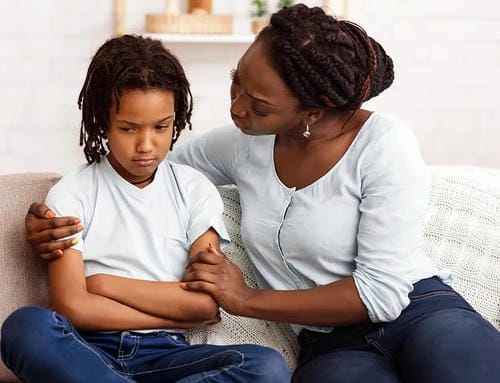
Another simple practice is using repair rituals after minor conflicts. This does not need to be complex: a calm apology, a hug, or a few minutes of shared quiet time can signal that the relationship is restored. These small actions reinforce the idea that conflict does not damage connection.
Parents can also model emotional language in real time. Saying things like “I need a moment to calm down” or “I felt frustrated, but I’m okay now” helps children understand how regulation works in practice. This makes emotional recovery visible and learnable.
When these small habits are repeated daily, children begin to expect that emotions will be acknowledged and repaired. Over time, this consistency builds emotional security and stronger family connection.
Long-Term Benefits
Children who regularly witness emotional recovery after conflict often develop stronger emotional regulation skills. They learn that feelings such as anger, frustration, and disappointment can be managed in healthy ways rather than ignored or acted out.

Emotional recovery also helps children feel secure. When parents resolve disagreements through apologies, compromise, or calm conversations, children see that relationships can withstand difficult moments. This sense of security is linked to better emotional adjustment and fewer behavioral problems.
Over time, children become more empathetic and skilled at handling their own conflicts. By observing respectful communication and repair, they learn to listen, consider other perspectives, and look for solutions rather than focusing on winning an argument.
Perhaps most importantly, these experiences shape children's future relationships. They grow up understanding that mistakes can be acknowledged, trust can be rebuilt, and healthy relationships require effort and accountability. These lessons often benefit them throughout adolescence and adulthood.
(This article is intended for educational purposes and is not a substitute for professional mental health advice. Families experiencing persistent conflict or extreme stress should consult qualified professionals.)
FAQs
1. Can young children understand the concept of emotional recovery?
Yes. Even preschoolers can recognize apologies, observe calm resolutions, and begin to model similar behavior, though explanations should be age-appropriate.
2. What if one parent resists modeling recovery?
Consistency helps, but even one parent practicing recovery has measurable benefits. Children learn from repeated exposure over time.
3. How long before improvements in a child’s behavior appear?
Many families notice changes within a few weeks of consistent practice, though long-term reinforcement is essential for lasting effects.
About Author
Claire Emerson is a family therapist and child development specialist with over 12 years of experience. She has worked extensively with families to improve emotional communication and conflict resolution skills, helping parents cultivate resilient and emotionally intelligent children.
References
American Psychological Association. (2020). Child development and conflict resolution.
Center for Family Dynamics. (2020). Longitudinal study on conflict recovery in households.
Stay on this blog to explore more practical parenting strategies that turn everyday challenges into growth opportunities for your family.