
June 4, 2026
Key Highlights:
● Many toddlers go through an “Only Beige Foods” phase, preferring foods like bread, pasta, and crackers.
● Parents often misinterpret this as picky eating, but it’s usually a normal developmental stage.
● Nutritional deficiencies are rare if children eat a variety of beige foods with hidden nutrients.
● Strategies like gradual introduction, creative presentation, and positive reinforcement help diversify their diet.

Estimated Reading Time: 12 minutes┃Post By Harper Caldwell
Toddlers and preschoolers can have food preferences that leave parents scratching their heads. One of the most puzzling—and frequently misunderstood—phases is the “Only Beige Foods” stage. During this period, children may refuse colorful fruits, vegetables, and even proteins, instead gravitating toward foods like plain pasta, white bread, crackers, rice, and chicken nuggets.
Why Beige Foods Appeal
Beige foods tend to be bland, simple in texture, and predictable. For toddlers, who are learning about the world primarily through sensory experiences, predictability is comforting. Consider this illustrative table:
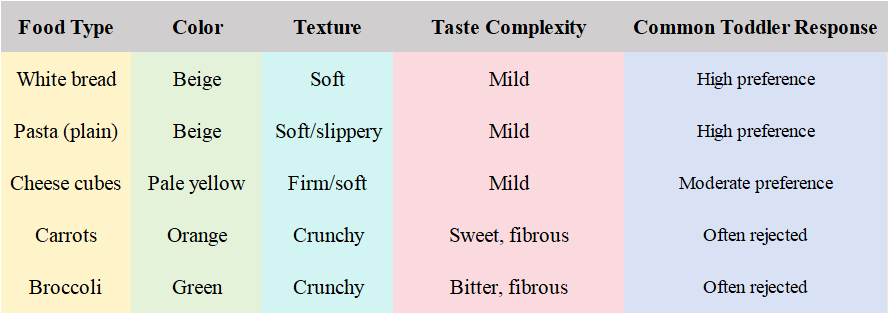
According to a 2021 survey by the American Pediatric Nutrition Association, 72% of parents reported that their toddlers preferred beige foods for periods lasting 2–6 months, highlighting the universality of this phase.
The Misinterpretation Trap
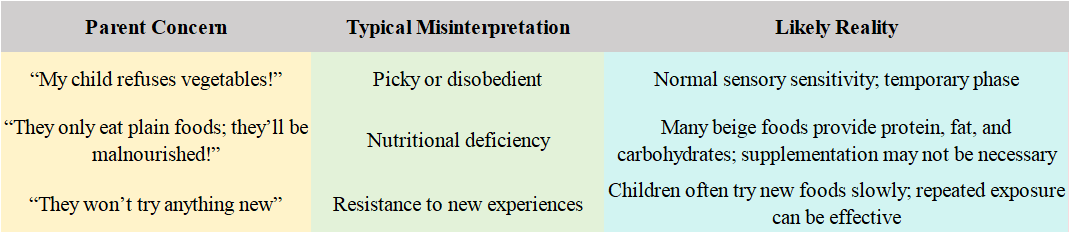
Many parents interpret the beige-only preference as a sign of picky eating or poor nutrition. In reality, this behavior is often developmental rather than pathological. A child’s taste buds are particularly sensitive; bitter flavors in vegetables, for example, can trigger aversion.
Moreover, beige foods are usually calorie-dense and comforting, making them “safe choices” for children learning self-feeding skills. Here’s a snapshot of common misinterpretations and what they actually mean:
Balancing Nutrition During the Beige Phase
Even though beige foods are bland, they can still be nutritionally adequate if parents make informed choices. For example:
● Protein: Chicken nuggets, eggs, cheese, and yogurt provide high-quality protein.
● Carbohydrates: White rice, pasta, and bread supply energy and essential B-vitamins when fortified.
● Hidden nutrients: Mashed cauliflower in mac and cheese or finely pureed vegetables in pasta sauces can boost nutrient intake without triggering rejection.
Consider this practical table of nutrient content for common toddler-friendly beige foods:
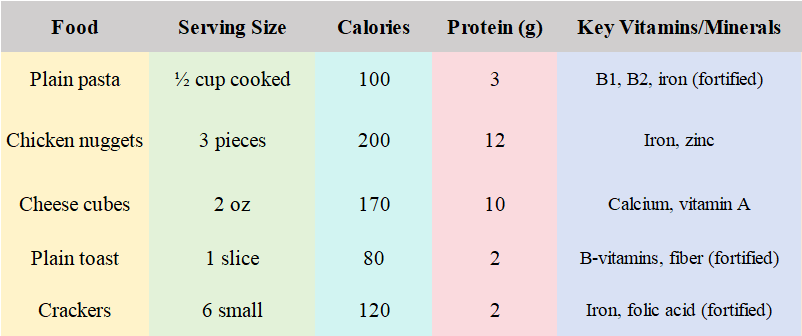
This table demonstrates that even a seemingly limited beige diet can supply essential nutrients when managed carefully.
Strategies to Expand the Palette
Expanding a toddler’s diet beyond beige foods requires patience, creativity, and consistency. The key is to gently introduce new tastes and textures without creating stress around mealtime. Here are detailed strategies that parents can implement:
1. Gradual Introduction
Introduce new foods slowly, one at a time, alongside familiar beige favorites. Toddlers can be overwhelmed by new tastes, so pairing something unfamiliar with a beloved food makes the experience less intimidating. For example, if your child loves plain pasta, try mixing in just one or two small pieces of roasted carrot or finely chopped spinach. Over time, slowly increase the portion of the new ingredient as the child becomes accustomed to the taste.
Tip: Start with foods that have a similar texture to your child’s preferred beige foods. For instance, soft-cooked vegetables are usually easier to accept than raw, crunchy ones.
2. Creative Presentation
How food looks can influence whether a child wants to try it. Toddlers are drawn to bright colors, fun shapes, and playful arrangements. Cutting vegetables into stars, animal shapes, or bite-sized strips can make the new food feel like a game rather than a challenge.

Tip: Use cookie cutters for sandwiches, pancakes, or cheese slices to make familiar foods more visually appealing.
Tip: Make a “food rainbow” plate, but start with subtle colors—like pale yellow bell pepper or lightly cooked zucchini—to ease your child into visual variety.
3. Positive Reinforcement
Praise effort rather than completion. For example, celebrate when a child touches, smells, or licks a new food, even if they do not eat it immediately. This approach reduces mealtime stress and encourages curiosity.
Tip: Avoid pressuring the child to finish a plate, as this can create negative associations with food.
Tip: Use neutral or playful language: “You picked up the broccoli! That’s awesome!” rather than “Eat it or you’ll get no dessert.”
4. Modeling Behavior
Children learn by observing adults. Eating a variety of colorful foods yourself demonstrates that trying new foods is normal and enjoyable. Sit together for meals, making sure your child sees you trying small bites of vegetables or fruits. Avoid expressing dislike for foods in front of your child, as this can reinforce negative perceptions.
Tip: Include one new food on your own plate and make casual comments about trying it: “I’m going to taste this broccoli today—let’s see if it’s crunchy!”
5. Flavor Pairing
Pair new or slightly bitter foods with flavors your child already enjoys. Mild dips, sauces, or dressings can make vegetables more appealing without overwhelming the palate.
Tip: Use a small amount of cheese sauce, yogurt dip, or a drizzle of olive oil and a pinch of salt to enhance flavor.
Tip: Pair fruits with mild nut butter or mild yogurt for a familiar taste that encourages trying something new.
6. Texture Exploration
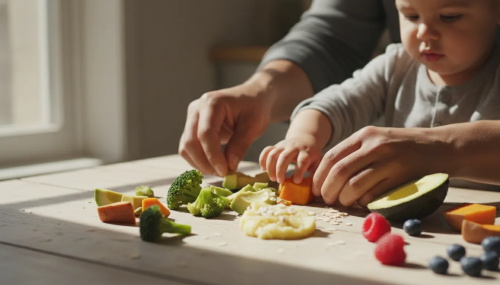
Some toddlers are more sensitive to texture than taste. Offering the same food in different textures can increase acceptance. For instance, raw carrot sticks might be rejected, but finely shredded or steamed carrots can be enjoyed.
Tip: Experiment with soft, crunchy, creamy, and finger-friendly textures. Toddlers may prefer finger foods they can control.
7. Routine Exposure Without Pressure
Consistent exposure is key. Offer small portions of new foods regularly without forcing consumption. Research shows that repeated exposure, often 10–15 times, is typically needed before acceptance occurs.
Tip: Keep mealtimes calm and avoid making food battles. Simply having the new food available alongside favorite foods increases familiarity.
8. Involving Children in Food Preparation
Engaging children in age-appropriate food prep can increase interest in tasting. Simple tasks like washing vegetables, stirring pasta, or assembling sandwiches create ownership and curiosity.
Tip: Let children sprinkle cheese on vegetables or arrange food on their plates.
Realistic Expectations
Parents should set realistic expectations. The “Only Beige Foods” phase rarely lasts beyond early childhood, typically resolving by ages 4–5. For example, a longitudinal study by Smith & Wong (2020) showed that 85% of children initially rejecting vegetables eventually accepted them after repeated exposure over 6–12 months.
Moreover, stressing over color variety can backfire. Children can be nutritionally sound even if they eat mostly beige foods, provided there’s a balance of protein, carbohydrates, and healthy fats.
Quantifying the Beige Phase
Based on parent surveys and dietary logs, the following table illustrates a hypothetical toddler’s beige-phase weekly diet:
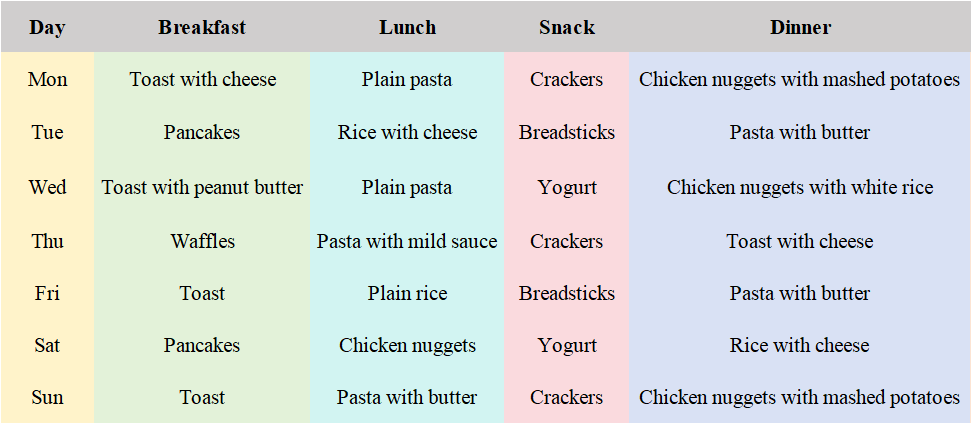
Even in a limited color range, nutrient intake meets the baseline for calories and protein, highlighting that beige phases need not be alarming.
(This article is for educational purposes only. It does not replace professional medical advice. Consult a pediatrician or registered dietitian for personalized guidance on your child’s nutrition.)
FAQs
1. Is the beige phase linked to future picky eating?
Not necessarily. Most children outgrow this phase naturally, though early sensory experiences may influence later food preferences.
2. Can children get all necessary nutrients from beige foods alone?
Yes, if foods are fortified and include protein and healthy fats. However, gradual introduction of colorful foods is still recommended for variety.
3. How long does this phase typically last?
It varies but usually spans 6 months to 2 years in toddlerhood. Consistent exposure and patience help shorten the duration.
About Author
Harper Caldwell is a child nutrition consultant with over 12 years of experience working with families to create balanced, realistic diets for toddlers and preschoolers. Harper specializes in behavioral feeding strategies and has contributed to several pediatric nutrition journals.
References
American Pediatric Nutrition Association. (2021). Toddler food preferences survey.
Smith, L., & Wong, K. (2020). Longitudinal patterns in early childhood dietary acceptance. Journal of Pediatric Nutrition, 15(2), 45–58.
Centers for Disease Control and Prevention. (2022). Healthy eating for toddlers.
Discover more practical parenting strategies and insights by exploring the rest of our blog—your next mealtime win might be just a click away!